
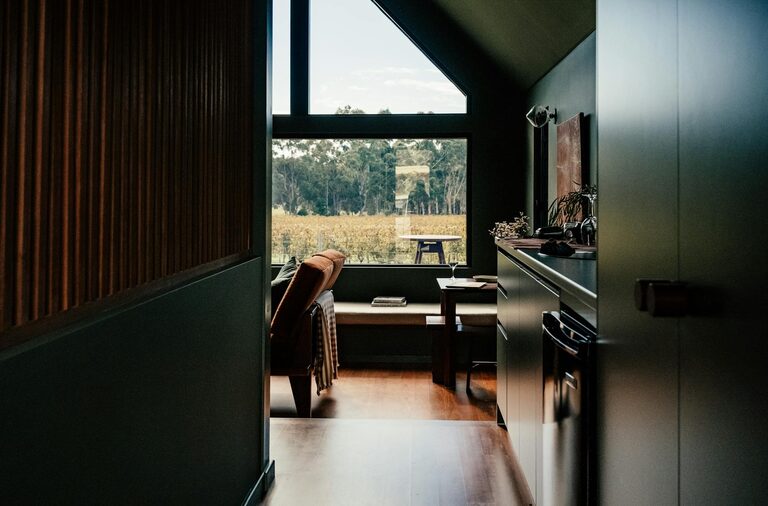
A dark room can feel cramped, gloomy, and less inviting. Whether it’s a living area, bedroom, or office, reducing darkness and boosting light instantly improves mood and functionality. The good news is you don’t need major renovations to brighten a dark room. Small, thoughtful changes can dramatically enhance natural and artificial light, making the space feel larger and welcoming.
In this post, we’ll explore quick ideas you can implement today to brighten a dark room with minimal effort and cost.
Why Some Rooms Stay Dark
Before you begin, it helps to understand why the room feels dark. Common reasons include:
– Limited natural light: Small or shaded windows block sunlight.
– Dark wall colors: Dark paint, wallpaper, or furnishings absorb light.
– Poor lighting: Insufficient or harsh artificial lights reduce brightness.
– Cluttered space: Crowded furniture blocks light pathways.
Addressing these factors will guide your approach to brightening the room efficiently.
Use Light Colors on Walls and Ceilings
One of the easiest ways to brighten a room is to paint the walls and ceiling in light shades. White and off-white colors reflect natural and artificial light better than darker tones.
Tips for choosing colors:
– Opt for soft neutrals like light gray, beige, or pastel hues.
– Use a semi-gloss or satin finish to enhance reflectivity.
– Paint the ceiling a bright white to make the room feel taller and more open.
Even repainting just one wall with a light color can significantly lift the atmosphere of a dark space.
Maximize Natural Light with Window Treatments
Windows are the main source of daylight, so treating them thoughtfully is essential.
Brightening tips for windows:
– Use sheer or light-filtering curtains instead of heavy drapes.
– Keep windows clean inside and out to let in as much sunlight as possible.
– Avoid bulky furniture or décor items that block window areas.
– Consider adding a mirror opposite the window to reflect light deeper into the room.
If privacy is a concern, frosted or patterned window films can soften light while maintaining brightness.
Add Multiple Layers of Lighting
Relying on just one overhead light can leave shadows and contribute to a dim feeling. Layering different types of light creates a more balanced and inviting space.
Effective lighting layers:
– Ambient lighting: General overhead fixtures like flush mounts or chandeliers provide overall illumination.
– Task lighting: Table lamps, floor lamps, or under-cabinet lights focus on specific activities like reading or cooking.
– Accent lighting: Use wall sconces, LED strips, or spotlights to highlight artwork or architectural details, adding depth.
Choose bulbs with a daylight or soft white color temperature for a natural, warm glow.
Use Mirrors and Reflective Surfaces
Mirrors are a classic solution for amplifying light and creating an illusion of space.
How to use mirrors effectively:
– Hang a large mirror opposite a window to bounce sunlight around the room.
– Use mirrored furniture pieces, like side tables or cabinets, to reflect light subtly.
– Incorporate décor with reflective metallic finishes like polished chrome, gold, or silver.
Placing mirrors thoughtfully can double the amount of visible light and add style.
Choose Light and Airy Furniture
Heavy, dark, or bulky furniture can absorb light and make a room feel smaller. Switching to lighter furniture updates the look and helps light flow better.
Furniture tips to brighten a room:
– Select pieces in light woods, whites, or neutral fabrics.
– Opt for furniture with slim legs or open bases to maintain an airy feel.
– Avoid covering windows or blocking light pathways with large furniture.
– Use glass or acrylic furniture for minimal visual weight.
Even rearranging your existing furniture to open up space near windows can help brighten the room.
Add Color with Bright Decor and Accessories
While keeping walls light, injecting color into your room with cushions, throws, rugs, and artwork can enhance brightness and energy without darkening the space.
Decorating tips:
– Choose vibrant or pastel tones that reflect light well.
– Incorporate patterns with light backgrounds.
– Use bright plants or fresh flowers to bring natural vibrancy.
– Select light-colored area rugs to cover dark floors.
These small touches add personality and lift the overall brightness.
Keep It Clutter-Free and Organized
Clutter can make any room feel smaller and darker by absorbing light and creating visual chaos.
Decluttering tips:
– Remove unnecessary items and storage from visible areas.
– Use smart storage solutions like baskets, shelves, and boxes to keep surfaces clear.
– Keep floor space open by organizing cables and minimizing furniture.
A tidy space allows light to move freely and prevents shadows from building up.
Consider Adding Skylights or Solar Tubes
If it’s within your budget and willingness for a project, adding skylights or solar tubes can dramatically increase natural light.
What to know:
– Skylights bring light directly from above, great for rooms with limited windows.
– Solar tubes can be installed with less structural work and funnel sunlight from the roof.
– Both options improve brightness and can reduce energy use during daytime.
Consult with a professional to explore feasibility for your home.
—
Final Thoughts
Brightening a dark room doesn’t have to involve costly or time-consuming renovations. By updating colors, maximizing natural light, layering artificial lighting, and using reflective surfaces, anyone can create a lighter, more inviting space. Remember to keep the room organized and use light furniture and accessories to further boost brightness.
Start with one or two of these tips today; small changes can make a big difference in how your home feels. A brighter room really can transform your mood and enjoyment of the space.
Happy decorating!